
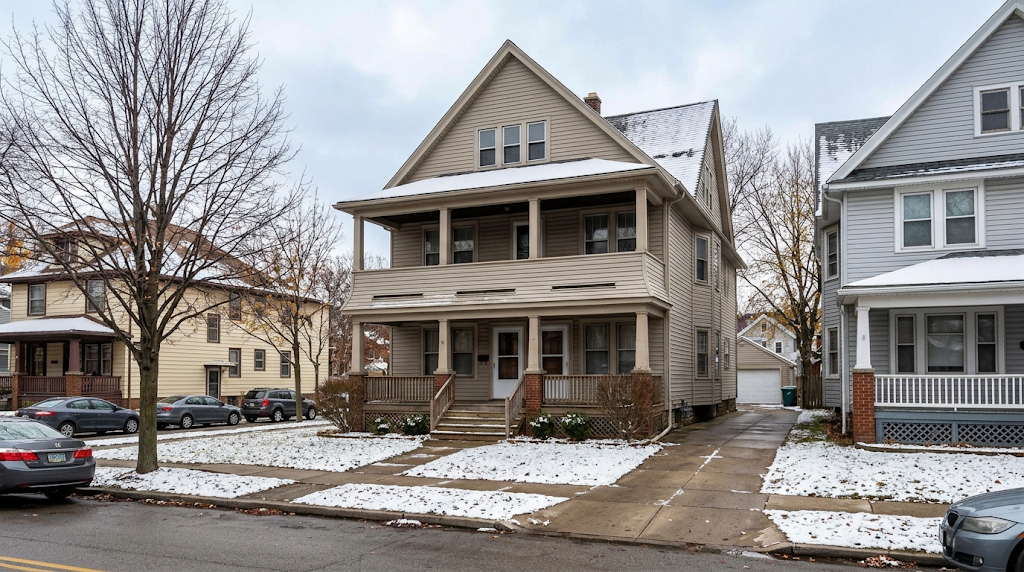
Whether you are restoring a century double in Slavic Village, updating a multi-family in Detroit Shoreway, or renting out a floor in Lakewood, property owners in Northeast Ohio face a recurring dilemma: every dollar poured into a renovation needs to yield returns.
Too many landlords assume the playbook from sunbelt markets or newly built luxury high-rises translates seamlessly into a Cleveland rental. They install trendy fixtures, budget for high-maintenance frills, and then wonder why their vacancy sits flat while overhead climbs.
In Cleveland, rental appeal isn't driven by flashy gimmicks. It is governed by two unyielding forces: harsh lake-effect winters and the day-to-day practicalities of century-home infrastructure.
Before you finalize your rehab budget or order unnecessary smart gadgets, here is an honest look at what drives real tenant demand in Cleveland—and what is a complete waste of capital.
The High-ROI Upgrades (What Clevelanders Actually Pay For)
The amenities that secure reliable tenants and command rent premiums in Cleveland aren't glamorous, but they solve authentic pain points.
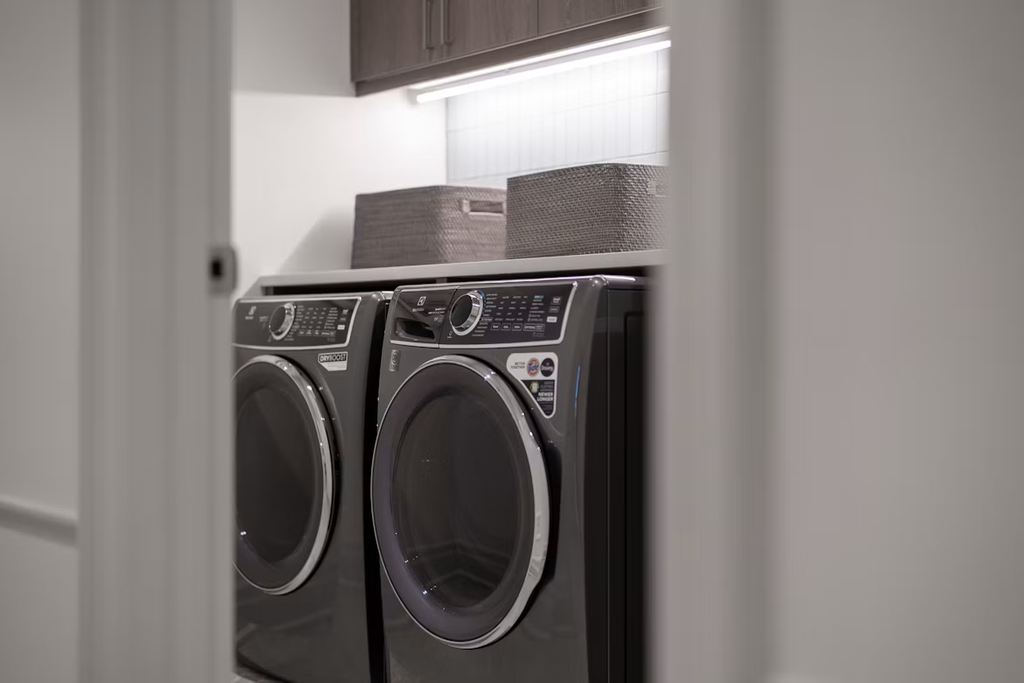
1. In-Unit or Dedicated Laundry
Nothing loses a prospective Northeast Ohio renter faster than pointing to an unheated, dimly lit stone basement with a dirt floor and saying, "You can put a hookup down there."
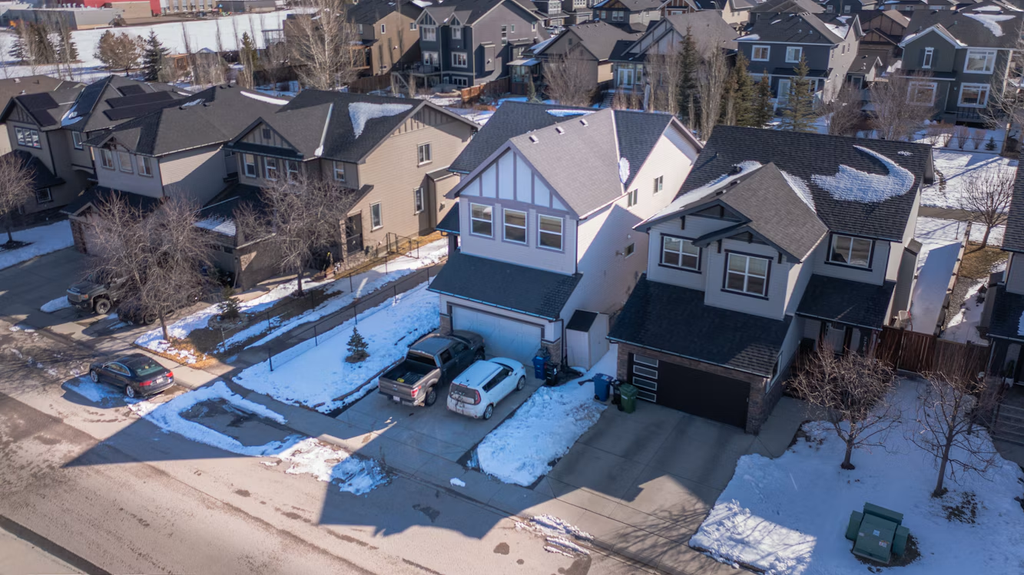
2. Off-Street Parking and Covered Spaces
Cleveland's on-street parking rules—overnight bans, winter street-sweeping shifts, and snow-emergency declarations—create consistent headaches for tenants.
- The Reality: A guaranteed off-street driveway spot or a space in a historic two-car garage is worth more to a local commuter than imported kitchen backsplashes.
- The Payoff: In dense neighborhoods like Ohio City, Tremont, or Lakewood, dedicated garage space can easily be monetized or used as the decisive factor that leases your unit in under two weeks.
3. Efficient, Modern Climate Control (Central Air or Heat Pumps)
Summers along Lake Erie are increasingly humid, while winter heating bills in drafty, uninsulated two-families can top $300 a month.
- The Reality: Relying on ancient gravity furnaces or expecting tenants to supply three heavy window A/C units limits your applicant pool.
- The Payoff: Ductless mini-split heat pumps or updated high-efficiency furnaces with central air modernize older layouts without extensive duct restructuring, lowering utility friction and keeping long-term tenants in place.
4. Pet-Friendly Policies (With the Right Deposits)
Over 60% of Cleveland renters have pets or want them, yet a substantial share of local housing stock still carries strict "No Pets" bans.
- The Reality: Well-vetted pet owners are historically some of the most stable, long-staying tenants because pet-friendly rentals remain scarce.
- The Payoff: Charging a reasonable, non-refundable pet fee alongside a monthly pet rent ($25–$50/pet) protects your asset while broadening your pool of applicants.
The Strategic Value Table
| Amenity | Capital Cost | Impact on Rent / Occupancy | Verdict |
| In-Unit Laundry | Moderate ($1,200 – $2,500) | High (+$50–$100/mo, lower vacancy) | Essential |
| Off-Street / Garage Parking | Low to Moderate (Rehab existing structure) | High (Major competitive advantage) | Essential |
| Mini-Splits / Central A/C | Moderate to High ($3,500 – $8,000) | Moderate to High (Extends lease duration) | High Value |
| Smart Locks & Video Doorbells | Low ($150 – $350) | Moderate (Perceived security & convenience) | Worth It |
| Commercial-Grade Gas Ranges | High ($2,000+) | Minimal (High repair liability) | Waste of Money |
| Complex Smart Home Hubs | Moderate ($800+) | Negligible (Tech friction, frequent support calls) | Waste of Money |
| Shared Community Gyms (2-4 Units) | High ($3,000+) | Negligible (Underutilized, liability risk) | Waste of Money |
The Capital Traps (What Landlords Waste Money On)
If you are renovating a rental portfolio in Cuyahoga County, steer clear of these cosmetic or operational sinkholes:
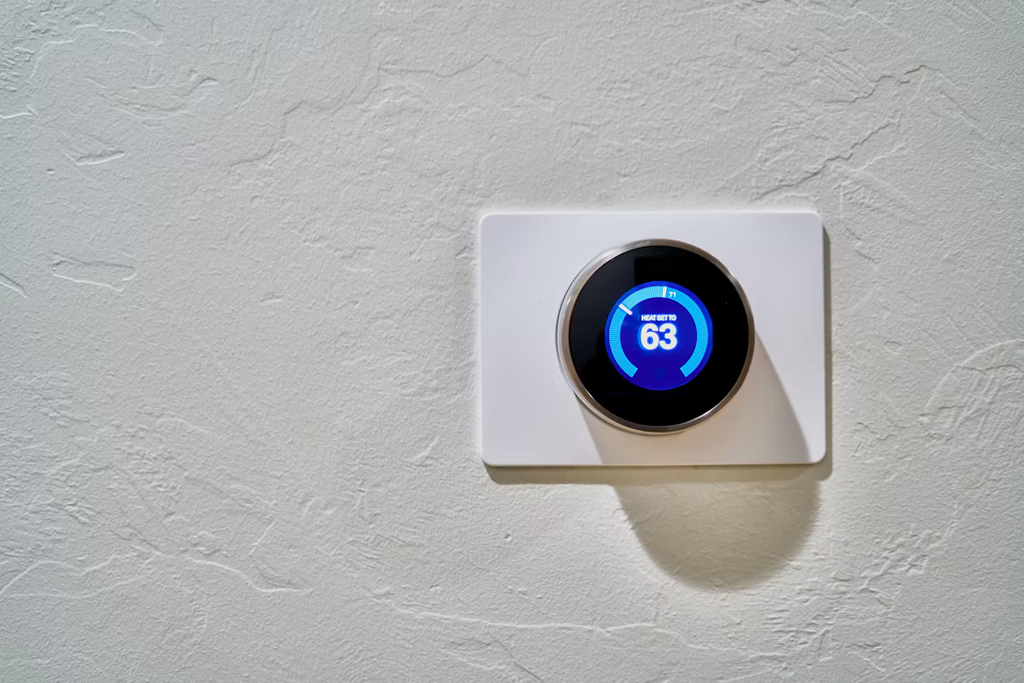
1. Over-Engineered Smart Home Ecosystems
Installing smart bulbs, proprietary app-controlled thermostats, and automated blinds often creates more maintenance calls than value. When Wi-Fi resets or tenants change routers, the landlord becomes tech support.
- Better alternative: Stick to a standalone keyless keypad lock on exterior doors. It simplifies turnarounds and self-guided showings without network headaches.
2. Ultra-High-End Kitchen Finishes in Mid-Market Units
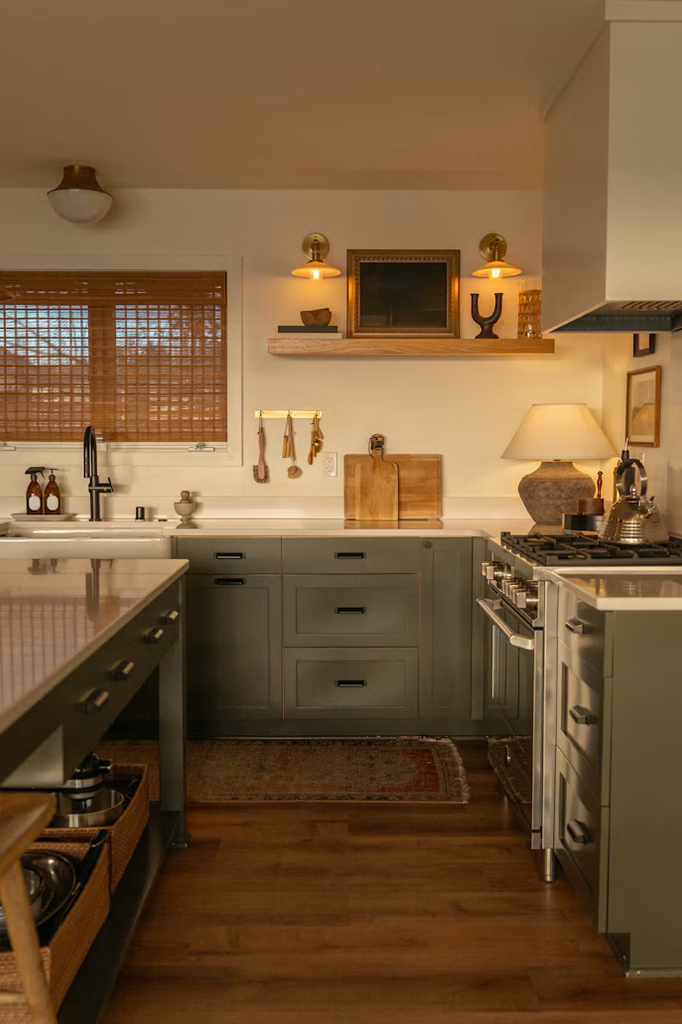
Waterfall quartz islands, custom wine fridges, and boutique commercial gas ranges do not belong in standard workforce housing or student rentals. The jump in monthly rent rarely amortizes the initial installation cost, and repair calls for specialized appliances are expensive.
- Better alternative: Durable butcher block or granite-look quartz countertops, modern shaker cabinets, and clean, energy-efficient stainless steel or slate appliances.
3. Improvised Basement "Gyms" or Shared Common Lounges
Converting a dusty basement in a fourplex into an unstaffed exercise room or shared game space sounds appealing on paper, but it rarely moves the needle. It introduces liability concerns, equipment wear-and-tear, and noise complaints between floors.
- Better alternative: Clean, dry, secure individual storage lockers in the basement. Renters living in compact duplexes are always desperate for a secure place to store bikes, winter tires, and seasonal gear.
Focus on Comfort Over Flash
A successful rental property in Cleveland doesn't need to resemble a luxury hotel lobby. Local tenants look for dry basements, reliable heating, manageable utility costs, dedicated laundry, and a plowed place to park when the lake-effect snow hits.
Prioritizing functional durability over superficial cosmetic trends saves capital during renovation and builds a resilient property that stays fully occupied year after year.